

How to Store Coffee Beans for Maximum Freshness
Table of Contents
- Why Coffee Freshness Matters
- The Four Enemies of Coffee Freshness
- Best Coffee Storage Containers for Whole Bean and Ground
- The Ideal Storage Environment: Cool, Dark, and Dry
- How Long Do Coffee Beans Stay Fresh?
- How to Tell If Coffee Beans Are Fresh or Stale
- Step-by-Step Storage Guide for Peak Flavor
- Common Storage Mistakes to Avoid
- Frequently Asked Questions
Last Updated: September 30, 2026
Why Coffee Freshness Matters
Fresh coffee tastes dramatically better than stale coffee. The difference isn't subtle, it's the gap between a vibrant, aromatic cup and one that tastes flat and dull. When you roast coffee beans, they're at peak flavor for a short window. After that, the beans lose their complexity, brightness, and character.
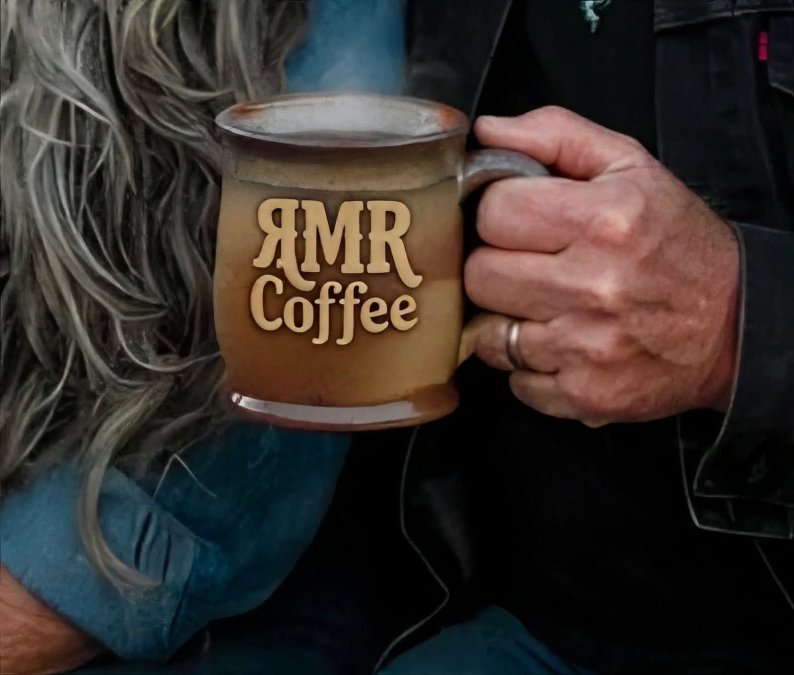
This matters because coffee is an experience. Whether you're fueling an early morning on the trail or settling into a long workday at home, the quality of your cup sets the tone. At RMR COFFEE, we roast to order specifically to deliver beans at their peak. But even the freshest beans need proper storage to maintain that quality from roasting day forward.
The good news: how to store coffee beans freshness is straightforward. You don't need special equipment or complicated rituals. You need to understand what degrades coffee, then protect against it.
The Four Enemies of Coffee Freshness
Coffee freshness declines when beans are exposed to four specific threats. Understanding these enemies helps you build a storage strategy that actually works.
Light exposure and UV rays
Light degrades coffee beans rapidly. UV rays break down the volatile oils that give coffee its aroma and flavor profile. Even a few days in direct sunlight can noticeably damage a bag of beans.
This is why opaque containers matter. Clear glass or transparent bags look nice on a shelf, but they expose your beans to constant light damage. The moment you bring coffee home, move it into something that blocks light completely.
Heat and temperature fluctuation
Heat accelerates the staling process. Warm environments speed up oxidation, which breaks down the complex compounds that make coffee taste good. Temperature swings are equally damaging, they cause condensation inside containers, which introduces moisture.
A pantry or cabinet stays relatively stable. A countertop near a window or above an oven does not. Even a few degrees of temperature change over time compounds the problem.
Moisture and humidity
Moisture is one of the biggest threats to coffee freshness. Humid air penetrates poor seals and causes condensation inside containers. Wet beans lose their crisp snap and develop mold or off-flavors.
High humidity environments, kitchens, bathrooms, basements, are especially risky. If you live in a humid climate, storage becomes even more critical. A truly airtight container with a secure seal is your first line of defense.
Oxygen exposure and oxidation
Oxygen is always present, and it slowly degrades coffee through oxidation. This process happens faster when beans are ground (more surface area exposed) and slower with whole beans. But it happens regardless.
This is where one-way valves earn their value. These small mechanisms let carbon dioxide escape from freshly roasted beans while preventing oxygen from entering. After the degassing period ends, an airtight seal stops oxygen from doing further damage.
Best Coffee Storage Containers for Whole Bean and Ground
Not all containers are created equal. The right vessel makes a measurable difference in how long your coffee stays fresh.
Airtight containers with one-way valves
Airtight containers with one-way valves are the gold standard for coffee storage. These containers seal tightly while allowing CO2 to escape during the degassing period that follows roasting. Once degassing finishes (typically 5-7 days after roast), the valve prevents oxygen from re-entering.
Look for containers labeled "airtight" with a confirmed seal mechanism. The valve should be a simple one-way design, it opens to let gas out but closes to keep air out.
Many coffee bags themselves include one-way valves. If your beans arrive in such a bag, you can store them directly in it. Just fold the top tightly after each use and keep the bag in a cool, dark place.
Opaque containers vs. clear glass
Opaque containers always outperform clear glass for coffee storage. Even tinted glass allows some light penetration. Opaque options, stainless steel, ceramic, or dark plastic, block light completely.
If you prefer seeing your beans, accept that you're trading visibility for freshness.
Whole bean vs. ground coffee storage
Whole beans stay fresh significantly longer than ground coffee. Whole beans have minimal surface area exposed to oxygen, which slows oxidation dramatically. Ground coffee has vastly more surface area, so it stales much faster.
The Ideal Storage Environment: Cool, Dark, and Dry
Location matters as much as the container. The right environment protects your beans from all four enemies at once.
Pantry storage for everyday coffee
A pantry or kitchen cabinet is ideal for beans you use regularly. These spaces stay relatively cool and dark. Avoid cabinets above the stove or near windows, where heat and light penetrate.
Single Origin Favorites Sample Pack →
Should you refrigerate or freeze coffee beans?
This question generates strong opinions. The short answer: refrigeration and freezing introduce more problems than they solve for most people.
Freezing protocols for long-term storage
If you do freeze coffee, follow a strict protocol to minimize damage.
How Long Do Coffee Beans Stay Fresh?
The freshness window depends on storage conditions and how the beans are kept.
The freshness window and roast date
Coffee is freshest in the first 2-4 weeks after roasting. This is the "freshness window" when flavor is brightest and most complex. Beans are still degassing during this period, which is normal and expected.
Degassing, CO2, and flavor profile changes
Fresh beans release carbon dioxide as they cool after roasting. This degassing process continues for several days. During this time, the flavor profile is still evolving.
How to Tell If Coffee Beans Are Fresh or Stale
Stale beans show clear signs. Learning to spot them helps you catch degradation early.
Visual and aroma signs of staling
Fresh beans have a rich, complex aroma. Stale beans smell flat and dull. If you open a bag and the smell is weak or musty, the beans are past their prime.
Brew quality indicators
The truest test is in the cup. Fresh coffee brews with bright acidity, clear flavor notes, and aromatic complexity. Stale coffee tastes flat, one-dimensional, and lacks the liveliness of fresh beans.
Step-by-Step Storage Guide for Peak Flavor
Here's exactly how to store coffee beans freshness for maximum flavor.
Step 1: Choose your container
Select an airtight, opaque container. If your beans arrived in a bag with a one-way valve, that bag works perfectly, just fold the top tightly after each use.
If you need a separate container, look for:
- Airtight seal (test it by closing and listening for a click)
- Opaque material (stainless steel, ceramic, or dark plastic)
- Size that fits your beans without excess air space
Step 2: Store in the right location
Choose a cool, dark, dry spot. A pantry or kitchen cabinet away from heat sources and windows works well. Temperature should stay between 60-75°F if possible. Humidity should be low.
Avoid:
- Countertops near windows
- Cabinets above the stove
- Refrigerators or freezers (unless using the freezing protocol)
- Damp basements or bathrooms
Step 3: Seal immediately after each use
After scooping beans for brewing, seal the container tightly right away. Don't leave it open. The longer beans are exposed to oxygen and air, the faster they stale.
Step 4: Monitor freshness and brew quality
Check the roast date regularly. Use beans within 4 weeks of roasting for peak flavor. After that, they're still good, but quality declines.
Common Storage Mistakes to Avoid
Learning from common errors saves you time and coffee.
Storing in clear containers. Light damage is cumulative. Even tinted glass allows UV penetration. Move beans to opaque containers immediately.
Frequently Asked Questions
How long do coffee beans stay fresh after roasting?
Whole coffee beans typically stay fresh for 2-4 weeks after the roast date when stored properly in an airtight container. Ground coffee has a shorter freshness window of about 1-2 weeks due to increased surface area exposed to oxygen. The freshness window begins immediately after roasting as CO2 degasses from the beans. Check your roast date on the bag, this is more important than the purchase date. Specialty roasters like RMR Coffee roast to order, so your beans arrive at peak flavor and can maintain their quality longer with proper storage.
How can you tell if coffee beans have gone bad?
Stale coffee beans lose their vibrant aroma and develop a dull, flat smell instead of the bold, fresh scent of recently roasted beans. Visually, old beans may appear faded or oily on the surface (though some oiliness is normal). The most reliable test is brewing: stale beans produce weak, sour, or bitter coffee with minimal flavor complexity and body. If your brew tastes flat or lacks the flavor profile you expect, your beans have likely passed their peak freshness. Beans don't spoil or become unsafe to drink, but their quality degrades significantly after 4-6 weeks.
Should you store coffee beans in the freezer or refrigerator?
For everyday coffee, avoid refrigeration and freezing, temperature fluctuations and condensation damage bean integrity more than room-temperature storage. However, freezing can work for long-term storage (beyond 4 weeks) if done correctly: use an airtight, vacuum-sealed container, freeze immediately after opening, and thaw at room temperature before opening to prevent condensation. Freezer burn occurs when beans are exposed to air or thawed multiple times. A cool, dark pantry at 60-70°F is ideal for most home storage. Only freeze if you won't use your beans within the standard freshness window.
What's the best container for storing coffee beans?
The best coffee storage containers are airtight and opaque. Look for containers with one-way valves that allow CO2 to escape while blocking oxygen from entering. Opaque containers protect beans from light exposure and UV rays, which accelerate oxidation and flavor loss. Avoid clear glass jars or transparent plastic, even if airtight, light exposure degrades your beans. The original bag from your roaster (if it has a valve) works well, but dedicated airtight containers with seals are more reliable. For ground coffee, airtight containers are even more critical since ground beans have much more surface area exposed to oxygen.