

How to Make Coffee While Backpacking
Table of Contents
- Instant vs Ground Coffee for Backpacking
- Essential Gear for Backcountry Brewing
- Best Backpacking Coffee Maker Methods
- Perfecting Your Coffee-to-Water Ratio
- Water Temperature and Extraction Time
- How to Dispose of Coffee Grounds Leave No Trace
- Cold Brew and High-Altitude Adjustments
- Ultralight vs Luxury Coffee Setups
- Frequently Asked Questions
Last Updated: September 20, 2026
Instant vs Ground Coffee for Backpacking
When packing for the trail, how to make coffee while backpacking comes down to a core choice: instant coffee for speed and simplicity, or ground coffee for richer flavor and more control. Instant delivers caffeine fast with almost zero cleanup; ground coffee requires gear and technique but offers better taste and extraction control.
Instant coffee wins on practicality: single-serving packets weigh almost nothing, require only hot water, and leave no grounds to pack out. The tradeoff is flavor, instant tastes flatter and more one-dimensional. Ground coffee demands a brewing method and attention, but delivers noticeably better taste and aroma.
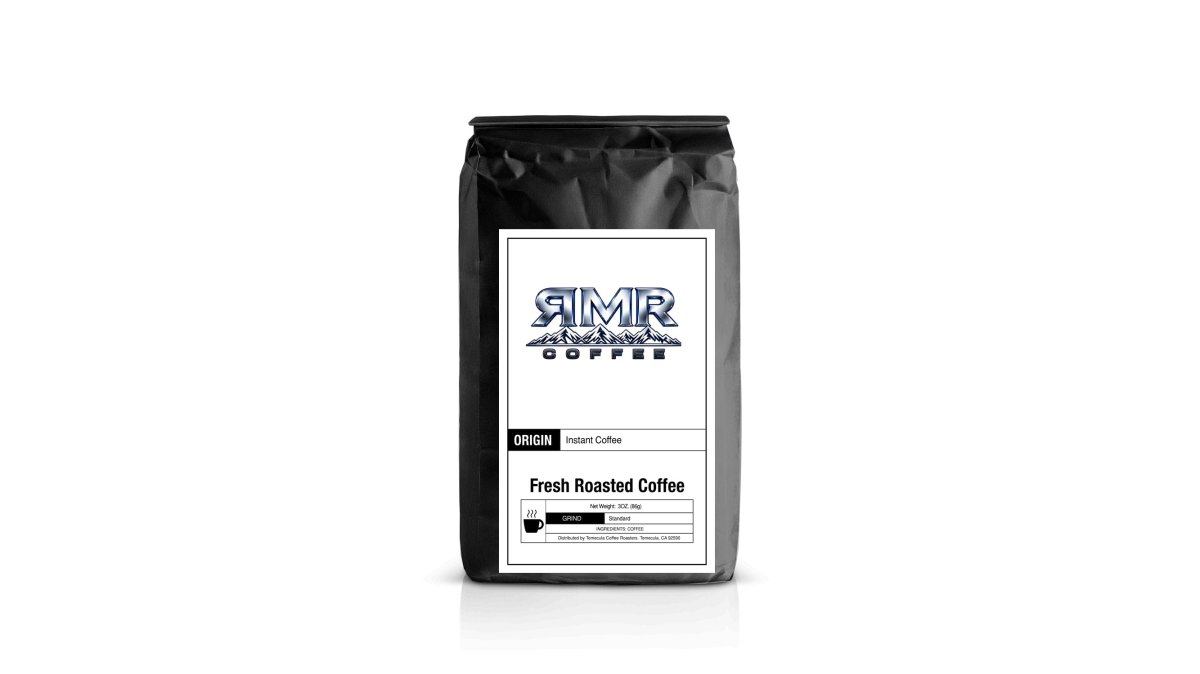
RMR COFFEE's instant coffee option gives you the convenience of instant with a meaningful flavor upgrade. Thirty servings in a resealable pouch means you're carrying premium instant, not the stale stuff from a gas station. For ultralight backpackers or climbers who need caffeine fast, this is the practical choice that doesn't sacrifice taste.

Essential Gear for Backcountry Brewing
Lightweight Brewing Methods
Pour-over setups are minimal: a plastic dripper, metal filter, and mug weigh under two ounces. Immersion brewing (mesh bag or coffee sock) is equally light and requires even less gear. A coffee sock is a mesh pouch filled with grounds that you steep like tea, it packs flat and weighs almost nothing.
Single-serve instant packets eliminate gear entirely, no dripper, no filter, no cleanup beyond rinsing your mug. This is the ultralight option for those prioritizing weight over flavor.
Water Heating and Stove Options
Lightweight canister stoves (isobutane-propane cartridges) are standard: compact, reliable, and efficient. Boiling takes five to seven minutes depending on altitude and water volume. A single cartridge lasts several days of cooking and coffee brewing.
Solid fuel tablets (hexamine) are lighter but slower, good for emergencies or minimal weight. Alcohol stoves are cheap and simple but slower than canister stoves.
Some backpackers skip the stove and use a thermos: boil water at camp and pour into an insulated container for hours of hot water. This works well for multi-day stays in one location.
Best Backpacking Coffee Maker Methods
Instant Coffee for Fast Brewing
Instant coffee is the fastest way to make coffee while backpacking: boil water, add powder, stir, drink in five minutes with minimal cleanup.
Quality instant coffee has improved dramatically. RMR COFFEE's instant offering is a significant step above generic instant.

For high-altitude camping, instant is ideal. At elevation, water boils at lower temperatures, requiring longer extraction times for pour-over or immersion methods. Instant dissolves in hot water regardless of altitude, making it the most reliable method above 10,000 feet.
Pour-Over Techniques for the Trail
Place a filter over your mug, add coarse grounds, and slowly pour hot water in circular motions. The water extracts flavor as it passes through while the filter catches sediment. Brew time: three to four minutes for a clean, bright cup.
On the trail, a collapsible silicone dripper saves space and weighs under an ounce. Pair it with a reusable metal filter to avoid carrying paper filters, metal filters are washable and last indefinitely.
The main challenge with pour-over is precision: too-hot water or fast pouring causes over-extraction and bitterness; too-slow pouring causes under-extraction. After a few attempts, most people dial it in. Many find the ritual meditative.
Immersion Brewing Methods
Immersion brewing means steeping grounds in hot water like tea. This forgiving method produces full-bodied coffee.
A lightweight mesh bag works like a coffee sock: fill with grounds, drop into hot water, steep four to five minutes, and remove. Grounds stay contained with minimal cleanup. A nylon mesh strainer works the same way.
Cold brew is an immersion method worth considering: steep grounds in cold water overnight to create smooth, less acidic concentrate. In the morning, heat water and mix with concentrate. Many backpackers prepare it at home, pack it in a small bottle, and add hot water each morning.
Immersion brewing is a forgiving method for beginners: the only variable is steeping time, and minor variations don't ruin the cup.
Perfecting Your Coffee-to-Water Ratio
The standard ratio is one part coffee to sixteen parts water by weight. On the trail, most people eyeball this: a handful of grounds for a mug of water is close enough.
Coarse grind requires slightly more coffee because larger particles extract more slowly. Fine grind extracts faster, so use slightly less. With instant coffee, the ratio doesn't matter, just add powder until the taste suits you.
Many backpackers adjust the ratio based on how they feel. Tired morning? More coffee. Late in the day and you want to sleep? Less coffee. The flexibility is one reason people prefer immersion or pour-over.
Water Temperature and Extraction Time
Water temperature and extraction time are linked. Hotter water extracts faster and more completely. Cooler water extracts slowly.
The ideal water temperature for most brewing methods is 195 to 205 degrees Fahrenheit. This is just below boiling. If you're at sea level and your water is boiling (212 degrees), you're slightly too hot, but it's close enough. The difference in flavor is minimal.
Extraction time varies by method. Instant coffee dissolves in seconds. Pour-over takes three to four minutes. Immersion brewing takes four to five minutes. Cold brew takes hours. Longer extraction times pull more flavor compounds from the grounds, creating a fuller-bodied cup. Shorter extraction times produce lighter, brighter coffee.
The relationship between temperature and time is important at altitude. At 10,000 feet, water boils at around 194 degrees, right in the ideal range. At 14,000 feet, it boils at around 187 degrees. This lower temperature means extraction happens more slowly. If you're brewing pour-over at high altitude, add an extra minute or two to your steep time to compensate.
How to Dispose of Coffee Grounds Leave No Trace
Used coffee grounds are organic matter, but they don't belong in backcountry water sources or scattered on the trail. Leave No Trace principles require that you pack out or properly dispose of all waste.
The best approach is to pack out your grounds. Let them dry completely in your mug or a small bag. Dried grounds weigh almost nothing and take up minimal space. When you get home, compost them. This is the cleanest option and requires no special equipment.
If you're using a metal filter or mesh bag, rinse it thoroughly and pack the grounds. If you're using paper filters, let them dry and pack them too. Paper filters are biodegradable, but they break down slowly in the backcountry. Packing them out is the responsible choice.
Some backpackers scatter grounds far from water sources, arguing that they're natural and will decompose. This is not ideal. Concentrated coffee grounds can alter soil composition and attract wildlife. Dispersing them widely is better than leaving a pile, but packing them out is best.
Never dump grounds directly into a stream or water source. Coffee is acidic and can affect water chemistry. Even small amounts can matter in pristine alpine environments.
Cold Brew and High-Altitude Adjustments
Cold Brew Backpacking Methods
Cold brew concentrate is a convenient option for backcountry coffee. Prepare it at home, pack a small bottle, and you have coffee every morning with minimal effort on the trail.
The process is simple. Combine coarse-ground coffee and cold water in a ratio of one part coffee to four parts water. Let it steep overnight (twelve to twenty-four hours) in your kitchen. Strain out the grounds using a fine mesh or cheesecloth. What remains is a concentrated liquid. This concentrate keeps for weeks in a cool place.
On the trail, mix the concentrate with hot water in a 1:1 ratio (one part concentrate to one part hot water).
Brewing at High Altitude
High altitude changes brewing in ways many backpackers don't expect. Water boils at a lower temperature, which means extraction happens more slowly. Coffee brewed at 14,000 feet tastes different than coffee brewed at sea level, even with identical beans and technique.
Ultralight vs Luxury Coffee Setups
Your choice depends on how much you value the coffee experience versus minimizing pack weight. Neither is wrong. The best setup is the one you'll actually use and enjoy.
Frequently Asked Questions
What is the best way to make coffee while backpacking?
The best method depends on your priorities. Instant coffee is fastest and lightest for ultralight trips. Pour-over offers better flavor with minimal weight. Immersion brewing (like a French press or coffee bag) requires less precision but uses more water. Most backpackers choose instant for speed or pour-over for taste. Choose based on how much weight and time you're willing to carry.
Should I use instant vs ground coffee for backpacking?
Instant coffee dissolves directly in hot water, eliminating cleanup and reducing weight compared to ground coffee. Ground coffee delivers richer flavor and aroma but requires brewing equipment and produces grounds to pack out. For ultralight trips under 3 days, instant wins. For longer trips where flavor matters, ground coffee with a lightweight pour-over dripper is worth the extra ounces.
How do you dispose of coffee grounds while backpacking?
Pack out all used grounds in a small bag or bury them 6-8 inches deep, at least 200 feet from water sources and campsites. Never leave grounds scattered or in water. Always follow Leave No Trace principles specific to your area.
What is the best coffee for backpacking in the backcountry?
Choose coffee with bold flavor that holds up to high-altitude brewing and won't taste flat after hours in your mug. RMR Coffee's blends are roasted to order and designed for elevation and adventure. Dark roasts are forgiving at altitude. Medium roasts offer balanced flavor. Instant coffee provides convenience and freshness. Select based on your brewing method and how much flavor intensity you want on the trail.